Extension Grams 2026 – How Much Do You Need
How Extension Gram Weight Actually Works
When you shop for hair extensions, the weight in grams tells you how much hair you are adding to your head, and it is the single biggest factor in whether the result looks natural or too thin and stringy. A gram figure describes the total mass of the wefts, bonds or strands in a set, not their length, so two sets of the same length can feel completely different once they are in. Getting the grams right is what separates seamless, blended volume from extensions that slip out from under your own hair or, at the other extreme, sit so heavy they strain the roots.
What Determines the Grams You Need
There is no single correct number, because the right weight depends on your starting hair and your goal. Four things matter most:
- Your natural density. Fine or thin hair needs a lighter set so the added hair does not overwhelm the roots, while thick hair needs more grams to blend and not look like a separate layer sitting on top.
- The length you are adding. Longer extensions carry their weight further down, so a long set needs more grams to keep the ends looking full rather than wispy and see-through.
- Your goal. Adding a little volume to hair you already like takes far less than a full length-and-thickness transformation.
- Hair quality. Remy human hair keeps its cuticle aligned and holds volume well, so it drapes evenly; it also tolerates heat styling, which synthetic fibre does not.
A Rough Gram Guide
Use the table below as a starting point rather than an exact prescription. Your own hair thickness and the finished length you want will move you up or down within these ranges.
| Goal | Fine / thin hair | Medium hair | Thick hair |
|---|---|---|---|
| Subtle extra volume | 50-70 g | 70-90 g | 90-120 g |
| Noticeable length and fullness | 80-100 g | 100-130 g | 130-170 g |
| Full transformation (long, dense) | 100-130 g | 140-180 g | 180-220 g+ |
As a general rule, the longer the extensions, the more grams you need at every level, because the same weight spread over a greater length looks thinner at the ends.
Matching Grams to the Extension Method
Different attachment methods distribute weight differently, so the same total in grams behaves differently on your head:
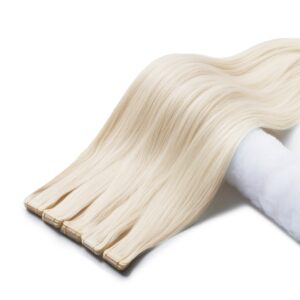
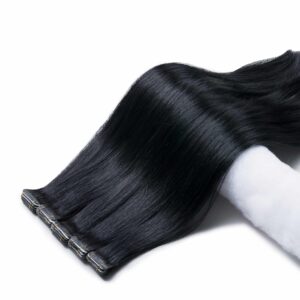
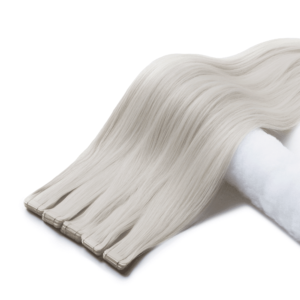
- Tape extensions spread weight across flat wefts, which keeps the load comfortable; they are re-taped every 6-8 weeks as your own hair grows out (roughly 1-1.5 cm per month).
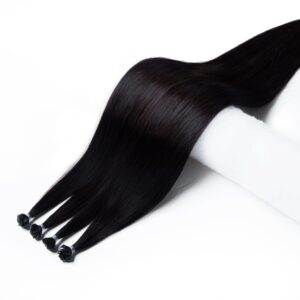
- Keratin bonds (sinetti) divide the grams into many small strands for flexible, all-over volume, and are usually moved up every 2-3 months.
- Clip-ins are removable and temporary, so you can add or leave out wefts to adjust the effective grams for a given day or occasion.
Whichever method you choose, buying slightly more grams than you think you need is safer than too little, since a stylist can leave wefts out but cannot conjure extra hair on the day.
Making Your Grams Last
Once you have the right weight in, protect it so it keeps looking full. Wash with a sulfate-free shampoo, always use a heat protectant before styling, and sleep on a satin pillowcase to cut friction. Brush gently from the ends upward to work out tangles without dragging on the attachments. Good care means your set holds its volume between maintenance appointments rather than thinning out early.
If you are still unsure which weight suits you, the range of quality hair extensions at ConnectHair covers different lengths and set sizes so you can match the grams to your hair, and orders are delivered across Finland in 1-4 business days.
Frequently Asked Questions
How many grams of extensions do I need?
Thin hair: 80-120g. Normal: 120-160g. Thick: 160-220g. Gram weight directly affects result fullness.