Extension Color Codes 2026 – Shade Numbers Explained
How to Read Hair Extension Shade Numbers
Opening an extension colour chart for the first time can feel like decoding a secret language: “1B”, “4/27”, “R2”, “T18/613”. The good news is that these numbers and letters are not random. Almost every extension range is built on the same underlying logic that professional colourists have used for decades, so once you learn the depth scale and the tone markers you can glance at any code and picture roughly what the hair will look like. This guide explains each part of a shade number so you can match your own colour with confidence.
The Depth Scale: 1 to 10
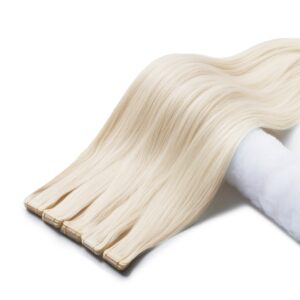
The first (and sometimes only) number in a shade code describes depth — how dark or light the hair is. This universal scale runs from 1, the deepest black, up to around 10, the palest blonde. On its own it says nothing about warmth or coolness; it is purely a measure of lightness. Learning this scale is the single most useful step, because it lets you place any shade instantly.
| Level | Depth | How it usually looks |
|---|---|---|
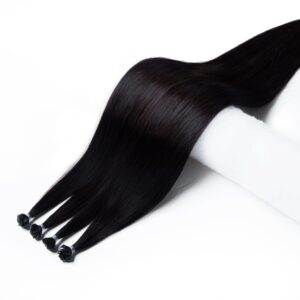
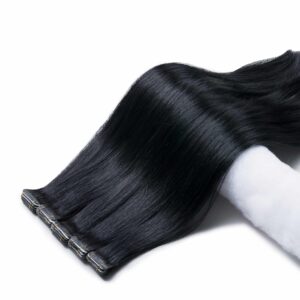
| 1 | Black | True, deep black |
| 2–3 | Darkest brown | Almost black, soft espresso brown |
| 4–5 | Medium brown | Chestnut to mid-brown |
| 6–7 | Light brown to dark blonde | Caramel, dark blonde |
| 8–9 | Blonde | Medium to light blonde |
| 10 | Lightest blonde | Palest, near-platinum blonde |
Tone Letters and Reflect Numbers
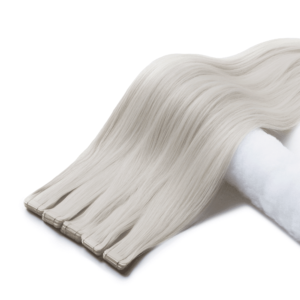
After the depth number you will often see a letter or a second digit that describes the tone — the direction of warmth or coolness, sometimes called the “reflect”. A cool, ash direction pulls colour towards blue or grey and calms brassiness, while warm reflects lean gold, copper, mahogany or red. A common example is “1B”, which means a black base with a soft, neutral-brown reflect rather than a stark jet black. Because letter systems differ slightly between ranges, always check the individual brand’s key, but the principle stays the same: depth first, tone second.
Blended, Rooted and Ombré Codes
Multi-dimensional colours add extra markers so a single code can carry more than one shade:
- Slash blends (e.g. 4/27): two shades mixed through the hair for a highlighted, dimensional finish.
- “P” or “mix”: a piano blend of fine, alternating strands for a natural, sun-kissed effect.
- “R” (rooted): a darker shade at the top melting into lighter lengths, mimicking grown-out roots.
- “T” (two-tone / ombré): one solid colour at the root fading into a contrasting length, such as T18/613.
- “613”: a widely used code for the very lightest blonde, often the base for pastel toning.
Matching Extensions to Your Own Hair
The most accurate way to match is to compare the chart against your mid-lengths and ends in natural daylight, not against your roots, since the ends are what the extensions actually sit beside. A few practical pointers:
- Hold your hair at the nape of the neck, where extensions usually blend, rather than at the crown.
- If you fall between two levels, a blended or rooted code often disguises the join better than a single solid shade.
- For multi-tonal or highlighted hair, choose a slash or piano code instead of one flat colour.
- Remy human hair can be glossed or toned by a stylist to fine-tune the match, whereas synthetic fibre cannot be recoloured.
ConnectHair’s range of quality hair extensions follows this same numbering logic, and orders arrive across Finland within 1–4 business days, so you can hold a swatch against your own hair at home before committing to a full set.
Frequently Asked Questions
What does an extension shade number mean?
First number is base shade. Slash and second number is the second shade in a mix. T means ombré transition. B means natural shade (1B = natural black).
How do I choose the right shade number?
Compare extension shade to your hair in daylight. Order shade samples if needed. ConnectHair customer service helps with shade matching from photos.